Explore books and art as inspiration in everyday life
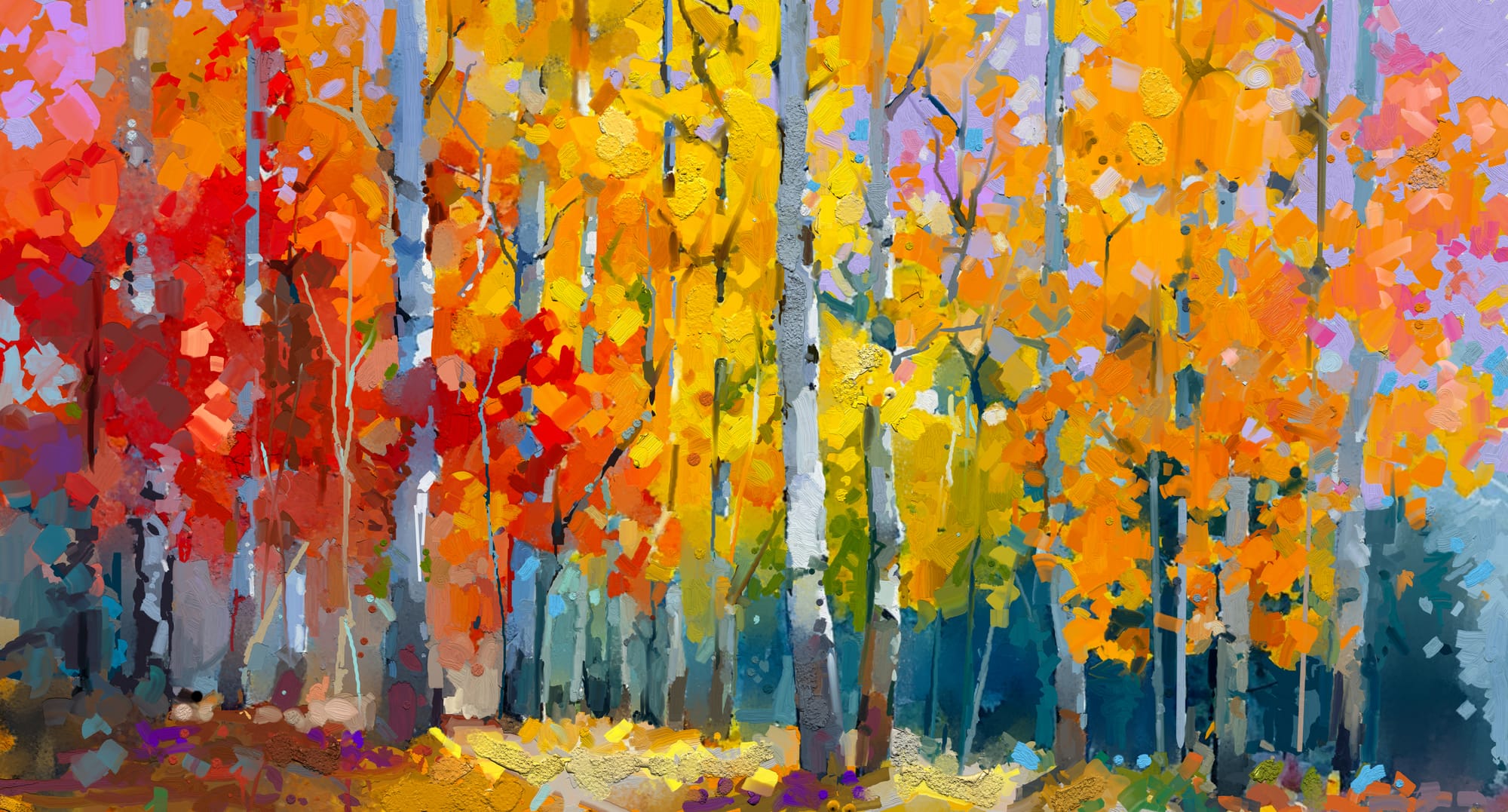
Explore books and art as inspiration, 25 tips and methods for richer creation
Finding inspiration is rarely a straight path, it's more often a process where you collect fragments, memories, details and moods until something suddenly clicks. Books and art are two of the most reliable sources to return to, as they can both give you concrete ideas and at the same time train your gaze, your language and your sense of context.
In a world where everything moves fast, it can also be liberating to let inspiration take its time. You can browse, reread, study a painting for several minutes, or copy a sentence by hand and feel how the rhythm spreads. It is precisely in these small, repeated encounters that new traces often arise.
The list below brings together practical ways to explore books and art for inspiration, both for those who create themselves and for those who just want more color, ideas, and direction in their everyday lives. Each point can be made simple or in-depth, depending on time and desire.
- 1. Choose a theme and build a small inspiration library
Decide on a theme that appeals to you, whether it’s the ocean, botanical motifs, folk beliefs, city walks, food memories, craft traditions, or something as specific as parchment, woodcuts, or letter writing. Then pick three to five books and three to five artistic references that match the theme. The point is to limit yourself enough to be able to go in depth, but still have variety.
When collecting materials, try to mix genres. A novel can provide mood and narrative voice, a nonfiction book can provide terminology and detail, an art book can provide color palettes and composition. Adding postcards, reproductions, or a folder of prints will create a more tactile library that is easy to return to.
- 2. Read slowly with a pen, marking rhythm and images
Slow reading is an active way to see how text creates images. Highlight sentences that make you pause, not just those that are beautiful, but those that are clear, unexpected, or strangely precise. Note what happens in your body as you read, do you become calm, tense, curious, sad. That reaction is often a clue to what you yourself want to express.
A concrete way to work is to write out a short passage by hand. You will then notice the tempo, word choices and pauses. If you create it yourself, you can then try writing your own text with the same rhythm, but with completely different content.
- 3. Study a painting as if it were a story
Choose a piece of art and think of it as a scene in a larger story. Ask yourself what happened before and what happens after. Who are the people, where is the light coming from, what is out of the picture. Write down five to ten sentences that describe the story you think the piece is telling.
This is especially effective if you want to get ideas for writing, illustration or photography. At the same time, you train your ability to see details and interpret moods, without having to be an expert in art history.
- 4. Let a book guide your color palette for the week
Choose a book with a cover you like, or an art book with strong images. Pick out four to six colors that recur. Then do a week of creative work where you stick to those colors, in clothing, notes, sketches, collage, embroidery or painting.
The limitation makes you more inventive. You also learn to see nuances, such as the difference between a muted green and a more yellow-green, and how they affect the feeling of a subject.
- 5. Make a list of materials, surfaces and sounds in a text
As you read, look for tangible things that create a world, paper rustling, wood creaking, wool scratching, a cup hitting a saucer. Write these down as a materials list. Then use the list as a starting point for a piece